
Supermarkets in Germany: How International Students Save with Weekly Offers, Loyalty Points and Apps
Supermarkets in Germany: How International Students Save with Weekly Offers, Loyalty Points and Apps
Written by Isma Khalid
Groceries are one of the few monthly expenses you fully control as an international student in Germany. Rent is fixed by your contract, your health insurance has a set rate, and your blocked account releases a fixed amount each month. Your supermarket bill, however, can swing by 150 to 250 euros a month depending on where and how you shop.
This guide explains how German supermarkets are organised, which loyalty programs still matter after the big changes of 2025 and 2026, and how to combine weekly offers, apps and simple habits into real savings, whether you live in Berlin, Munich, Frankfurt, Cologne or a smaller university town.
1. Understanding Supermarkets in Germany
German grocery retail splits into two groups. Knowing the difference is your first and easiest saving decision.
1.1 Discounters
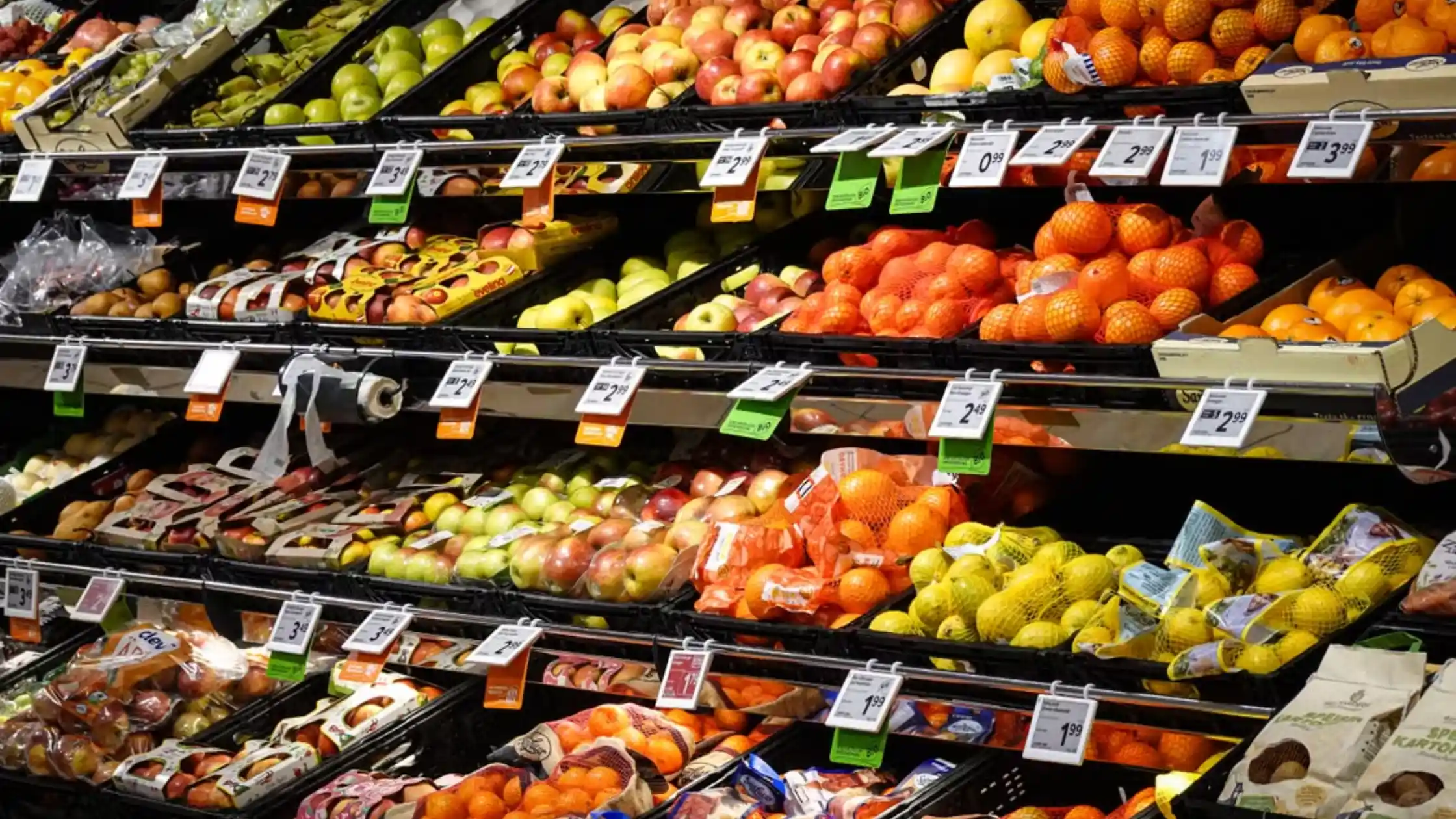
Aldi Nord, Aldi Süd, Lidl, Penny and Netto Marken-Discount keep a smaller range, sell mostly private-label products and run lean stores. For a student weekly shop of staples such as pasta, rice, oats, milk, eggs, bread and frozen vegetables, a discounter is almost always the lowest-cost option.
1.2 Full-Range Supermarkets
REWE, Edeka and Kaufland carry a much wider selection, including international foods, fresh counters and organic lines. Kaufland is the exception in this group, as it often prices close to the discounters while offering hypermarket-sized stores. REWE and Edeka are usually more expensive per item, but their weekly offers and app coupons can make them competitive on specific products.
1.3 Practical Rules for Shopping Days
- Sunday closures: Almost all supermarkets in Germany are closed on Sundays and public holidays. Shops inside major train stations, such as Berlin Hauptbahnhof or München Hbf, are the main exception, and they charge higher prices.
- Bring your own bag: Plastic bags cost extra at the checkout. A reusable bag or backpack saves a few euros every month.
- Card or cash: Most stores now accept debit cards and mobile payments, but small amounts at some local shops still require cash. Setting up a German account early helps; our guide on how to open a bank account in Germany walks you through it.
2. Using Weekly Offers (Prospekte) to Plan Your Shopping
Every German supermarket publishes a weekly offer brochure called a Prospekt. New offers typically start on Monday and run until Saturday, with some chains adding extra deals from Thursday.
2.1 Where to Find Weekly Offers
- Offer aggregator apps: Apps such as kaufDA and Marktguru collect the brochures of all stores near your postcode in one place. You can search for a single product, such as chicken or basmati rice, and see which nearby store has it on offer this week.
- Supermarket apps: Each chain shows its current Prospekt directly in its own app, often together with app-only prices.
2.2 Planning Around Offers
Plan your meals around the offers instead of buying products first and checking prices later. Long-life products such as coffee, oil, canned tomatoes or detergent are worth stocking up on when they drop 30 to 50 percent. Students sharing a flat (WG) often split bulk purchases to reduce the per-person cost even further.
3. Loyalty Programs and Point Systems Explained
German loyalty programs changed significantly in 2025 and 2026. Many guides online are outdated, so here is the current picture.
3.1 PAYBACK
PAYBACK is Germany's largest multi-partner point system. In supermarkets, you now collect PAYBACK points at Edeka, Marktkauf and Netto Marken-Discount, plus partners such as the drugstore dm. The standard rate is 1 point per 2 euros spent, and 1 point equals 1 cent. The real value comes from activating extra-point coupons in the PAYBACK app, which can multiply your points on a single purchase. You can redeem points at the checkout once you reach the minimum balance.
3.2 REWE Bonus
REWE left PAYBACK at the end of 2024 and replaced it with REWE Bonus, which collects a euro balance instead of points. You earn credit on weekly bonus products and on coupons activated in the REWE app. A monthly booster also rewards higher spending with a percentage coupon for the following month. You can redeem from 1 euro of credit directly at the checkout by scanning your app code. Ordinary purchases without bonus products or coupons earn nothing, so check the app before you shop.
3.3 Lidl Plus
Lidl Plus is a free app with weekly digital coupons, app-only discounts and a points system. Since June 2026, you collect 1 point per euro spent, which you can exchange for rewards in the app. Activate your coupons before each visit, as unactivated coupons do not apply at the till.
3.4 Kaufland Card XTRA
Kaufland renamed its program to Kaufland Card XTRA in February 2026 and now gives 1 point per full euro spent in store and online. Points unlock rewards such as free products, and the app adds weekly coupons and app-only prices. New members receive the card digitally in the app. Points expire 12 months after they are credited, so redeem them regularly.
3.5 Penny, Aldi and Programs Ending
- Penny: Penny runs its own app with a monthly reward tracker that unlocks free products or a percentage discount as you shop more.
- Aldi Nord and Aldi Süd: Aldi has no loyalty card and no app coupons. The chain relies on consistently low shelf prices instead.
- DeutschlandCard: DeutschlandCard is closing at the end of November 2026. If you still hold points from earlier purchases, redeem them before the program shuts down.
3.6 How Much Do Loyalty Apps Really Save?
Independent analyses reported in German consumer media found that supermarket apps add roughly 1 to 2 percent in extra savings on average. That makes them useful, but only when you use them on products you already planned to buy. Choosing the right store and shopping by the Prospekt matter far more than points alone.
4. Smart Habits That Cut Your Grocery Bill
4.1 Choose Private-Label Brands
Store brands such as Lidl's Milbona, Aldi's Milsani, REWE's ja!, Edeka's Gut & Günstig and Kaufland's K-Classic are often 30 to 50 percent cheaper than branded products and come from similar producers.
4.2 Look for Reduced Stickers
Products close to their best-before date are marked with stickers showing 30 or 50 percent off. Check the shelves in the evening, especially for bread, dairy and meat.
4.3 Return Your Pfand
Germany charges a deposit, known as Pfand, on most bottles and cans: 25 cents on single-use bottles and cans, and 8 or 15 cents on reusable glass bottles. Return them at any reverse vending machine in the supermarket and use the receipt at the checkout.
4.4 Rescue Food with Too Good To Go
Apps such as Too Good To Go let you collect surprise bags of unsold food from bakeries and supermarkets at about a third of the original price.
4.5 Shop International Groceries Wisely
For spices, lentils, rice and halal meat, Turkish, Asian and Middle Eastern grocery stores in neighbourhoods such as Berlin-Neukölln, Frankfurt Bahnhofsviertel or Munich's Goetheplatz area are usually cheaper than the international aisle of a regular supermarket.
5. Building a Realistic Student Grocery Budget
A focused student who shops mainly at discounters and cooks at home can typically manage on around 150 to 200 euros per month for food. Prices are higher in Munich, Frankfurt and Hamburg than in eastern or smaller university cities. Set a weekly limit, shop with a list and track spending in your banking app. For a wider view of monthly costs, read our practical guide to affordable living in Germany.
A part-time job can also ease pressure on your budget. Our guide on how to find a student job in Germany explains your options and working-hour limits.
Settle In with Confidence Through VisaFlow
Smart grocery shopping is one part of building a stable life in Germany. The bigger milestones, such as registering your address, activating your health insurance and getting your phone connected, decide how smoothly your first weeks go. VisaFlow's service hub gives you a unified, step-by-step workflow for your Anmeldung, health insurance activation and mobile connectivity setup, plus access to local job-finding platforms, so you can focus on your studies and your budget instead of paperwork. Start your relocation journey with VisaFlow.
📖Related Guides
Moving to Germany: Settling In Guide
A Practical Guide to Affordable Living in Germany for Expats: Housing, Budgeting and Beyond
Guide for Students Moving to Germany: 10 Things You Need to Know
Which is the cheapest supermarket in Germany for students?
Aldi, Lidl, Penny and Netto Marken-Discount are generally the cheapest supermarkets in Germany, with Kaufland close behind. Prices for staples are very similar across the discounters, so the cheapest choice in practice is the store nearest to you combined with this week's offers.
Can I use PAYBACK at REWE or Aldi?
No. REWE left PAYBACK at the end of 2024 and now runs its own REWE Bonus program, and Aldi has no loyalty program at all. You can collect PAYBACK points at Edeka, Marktkauf, Netto Marken-Discount and partners such as dm.
Do I need a German address or bank account to use supermarket apps?
Most supermarket apps only require an email address and a German mobile number to register, and you can start using coupons right away. A German bank account is not required to collect points, but it makes paying by card and receiving rewards easier.